
What happens during a NJ lead-safe visual inspection
 August 27, 2026
Plan on 30–60 minutes per unit. The inspector walks every room and checks painted surfaces against HUD visual assessment guidelines, focusing on friction and impact surfaces: window sashes and wells, door edges and jambs, trim, stair rails. Intact paint passes. Deteriorated paint (peeling, chipping, cracking, chalking) fails.
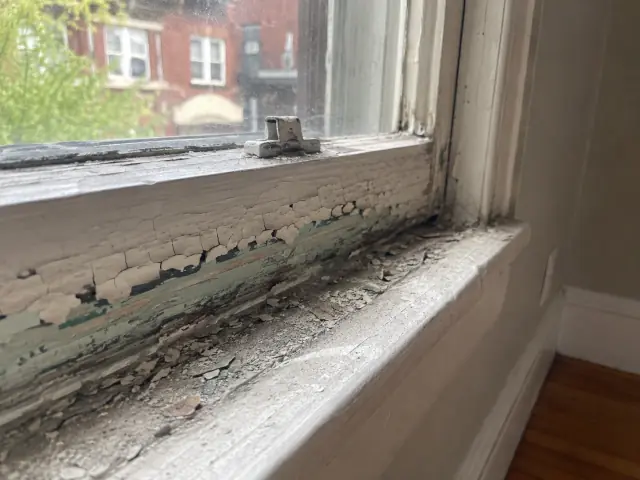
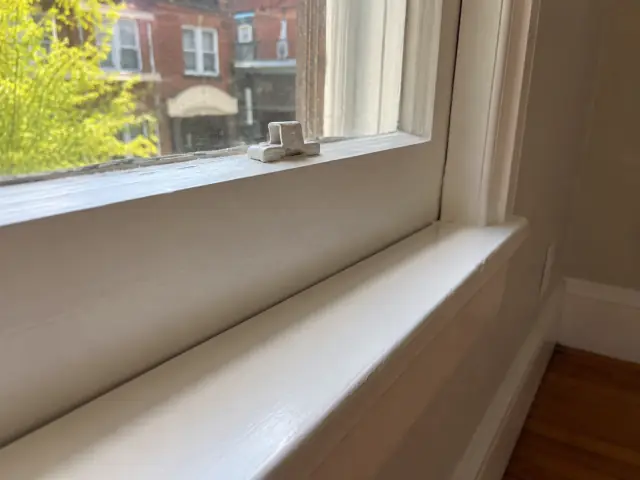
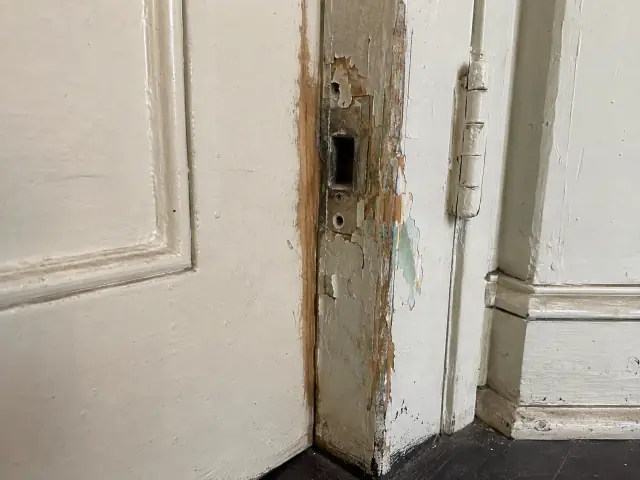
Illustrative examples of the conditions an inspector looks for, not photographs of a specific unit.
Step by step
What the inspector is not doing
No paint sampling, no lab work, no XRF gun; that is the lead-free test, a different product. A visual inspection also does not check water, soil, or dust unless the inspector decides dust wipes are warranted; see visual vs. dust wipe.
Process questions
No. A New Jersey lead-safe visual inspection is non-invasive: the inspector looks at painted surfaces and takes no samples, so there are no chemicals, no dust and no furniture moving beyond reaching windows. It takes 30 to 60 minutes per unit, and the tenant can stay home throughout.
A written report, and if the unit passes, a New Jersey lead-safe certificate valid two years. Under N.J.A.C. 5:28A-2.4(a)2 a private contractor files a copy with the municipality for you, so you keep the report and the certificate, and the certificate copy reaches your municipality without a separate filing from you. Registration and turnover notices, where a town requires them, are a different duty and stay yours.
Yes, and the per-unit price drops. In Hudson County a single unit runs $150–200, while twenty or more booked together run $125–150 per unit, because the travel and paperwork happen once. Same building, back to back, one invoice: see pricing.
One call, inspection within 48 hours.