LeadSafe Hudson LeadSafe HudsonNJ lead-safe certification guide
Last updated: August 6, 2026

How to prepare for a lead inspection (and pass the first time)

VerifiedAugust 6, 2026

Most failed visual inspections come down to deteriorated paint that was visible in advance. Walk the unit a week before the visit with this checklist, fix what you find, and the inspection becomes a formality.
The 10-point checklist

⬇ Download PDF checklist
1. Walk every room with fresh eyes. Look at paint the way the inspector will: windows, doors, trim, baseboards, radiators, stair rails, closet interiors.
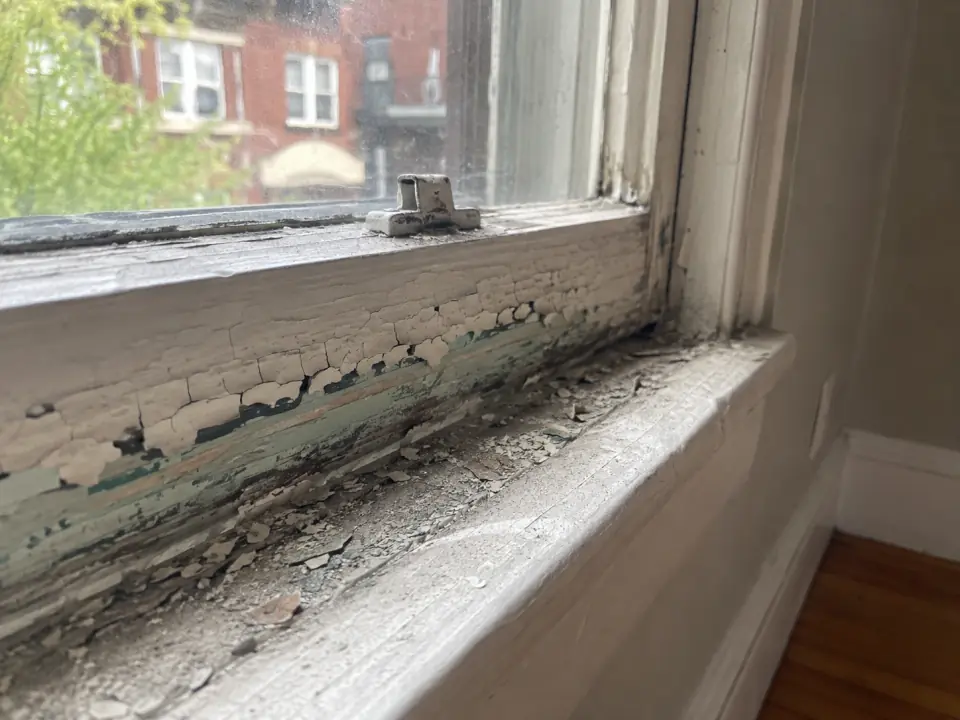
2. Fix peeling, chipping, cracking paint. Scrape loose paint wet (mist first), skim, prime, repaint. This single item prevents most failures.
3. Open and close every window. Sashes are friction surfaces. Binding, grinding sashes with flaking paint fail; smooth, painted-and-intact ones pass.
4. Check window wells and troughs. Clean out paint chips and debris. A vacuum and a damp wipe is usually enough.
5. Look at door edges and jambs. Impact surfaces: chipped latch-side edges are a classic finding. Sand, prime, touch up.
6. Walk the common areas. Hallways, stairwells, entries in multi-family buildings count. Stair rails and balusters get special attention.
7. Clear access to every room. The inspector needs to reach windows and walls. Move furniture that blocks them; unlock every room, closet, and basement door the tenant space includes.
8. Coordinate with your tenant. Set the time window, tell them nothing invasive happens, and arrange entry. A no-entry visit is wasted money, and in Hoboken it counts as a failed inspection.
9. Gather your paperwork. Prior certificates, notice of violation if you have one, and (Hoboken) the Chapter 125 application filed at least 24 hours ahead.
10. Do not paint over problems the day before. Fresh paint over loose paint fails; the surface has to be stabilized properly. If you find major deterioration, say so when booking; it may be smarter to fix first and book after.

Preparation questions

Can I just repaint everything?

Sound repainting over a properly prepared surface is fine and is the standard fix. Painting over loose, flaking paint is not; it fails.

Do I need to hire a certified painter?

Not for basic paint stabilization in most cases. If the work disturbs more than 6 square feet of interior painted surface in a pre-1978 building, EPA RRP-certified contractors are the required route (40 CFR Part 745).

What about furniture and clutter?

Only access matters. The inspector needs to see walls, windows, and trim; ordinary furnishing is fine.

Checklist done?

Book the inspection while the paint is fresh. 48-hour scheduling.

☎ Call (848) 313-9426
☎ Call (848) 313-9426 · 8am–7pm